







Search Results for: Best-By Date
The Complete Guide to Keeping Coffee Beans Fresh: Best-By Dates, Storage Mistakes, and the Right Way to Store Them
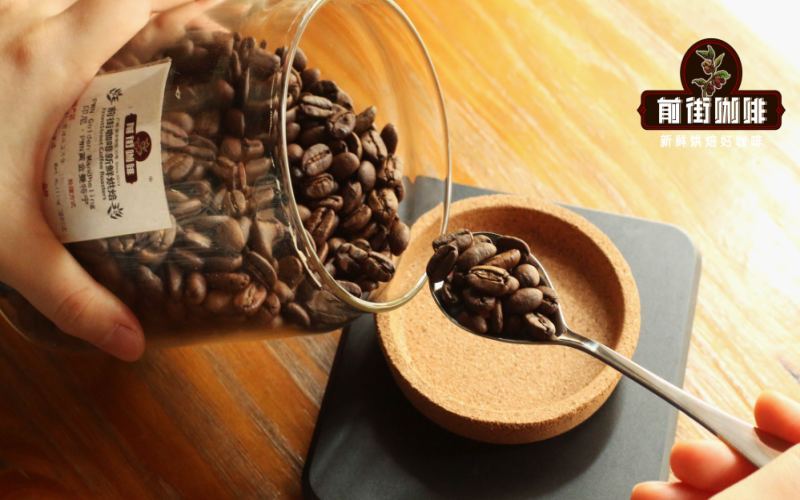
The freshness of coffee beans directly determines the flavor performance of a cup of coffee, and whether the storage method is appropriate is the key factor affecting the freshness of coffee beans. From the professional perspective of Front Street Coffee, this article systematically sorts out the two major categories of coffee bean storage—the different precautions for green beans and roasted beans—deeply analyzes the mechanisms of the three major freshness "killers": light, high temperature, humidity, and oxygen, and provides two practical storage solutions: one-way exhaust valve packaging bags and vacuum-sealed canisters. The article will also answer how long coffee beans can actually be stored, the difference between the peak flavor period and the shelf life, why refrigeration is not recommended, and clever ways to reuse expired beans, helping coffee lovers maximize the retention of the best flavor of every bag of beans. [more…]
The Opening Rhythm and Flavor Window of Moka Pot Coffee Beans
A moka pot concentrates the intensity, oils, and roasted aromas of coffee beans into a single small cup, so the flavor stage the beans are at is often easier to taste than the fancy descriptions on the packaging. Freshly roasted does not mean immediately ready to drink, and longer resting does not necessarily mean more mellow; from the roast date, the opening date, to the finish date, arrange things in a coherent way, [more…]
When to Open a Bag of Espresso Beans: A Tasting Timeline for Three Beans
When espresso beans have just been roasted, they don't necessarily reach their ideal state right away. Because espresso extraction uses higher pressure, too much gas inside the beans can cause the puck to expand noticeably and the crema layer to look rich, yet the flow rate tends to fluctuate easily. When selecting beans, besides reading the flavor description, you should also confirm the roast date and plan ahead for when to open the bag, adjust the grind, and finish drinking it. [more…]
The Deep Charm of Mandheling Blends: A Classic Asian Flavor Profile of Low Acidity, Full Body, and Caramel Aroma
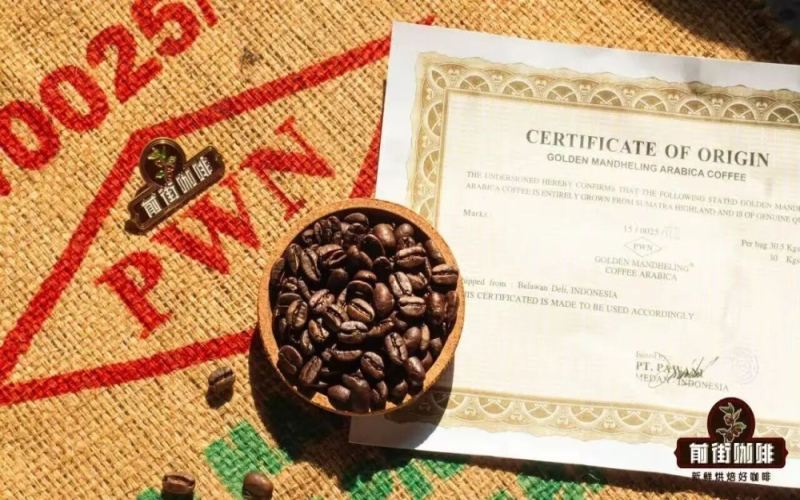
As an outstanding representative of Asian specialty coffee, Mandheling has won the favor of many coffee lovers with its low acidity, full body, and lasting sweet aftertaste. To fully release its caramelized aromas, Mandheling is usually given a deep roast, brewing with a complex sweet fragrance of dark chocolate, nuts, spices, herbs, and sandalwood, revealing layer upon layer of flavor as the temperature changes. If you want a first taste of Mandheling's regional character, Front Street Coffee's Indonesian Mandheling G1 coffee beans are an ideal entry point, from the Lintong region of Sumatra, G1 grade, with wet-hulling and a deep roast bringing out caramel, spice, and nut notes to the fullest. For users with an espresso machine, Front Street Coffee's Classic Blend combines Mandheling with Brazilian coffee and adds a small amount of Robusta to boost the crema, delivering excellent notes of nuts, dark chocolate, and caramel when made into an Americano or latte. [more…]
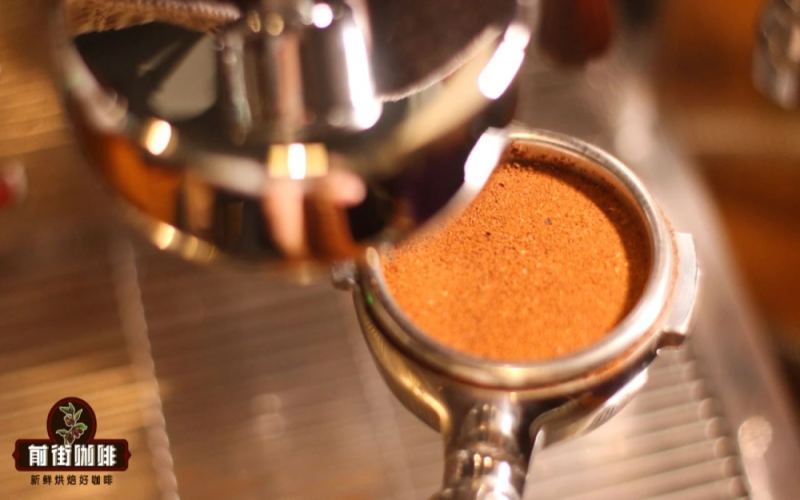
Espresso Ground Coffee Grind Setting Guide: From Grinder Selection to Extraction Parameter Adjustment
Many coffee enthusiasts who make espresso at home often run into problems like fast flow, thin crema, and weak flavor, and the root cause is often an improper grind setting. Starting with selecting fresh coffee beans and choosing the type of grinder, this article explains in detail the working principle, advantages, and disadvantages of flat burr grinders, and provides a method for judging grind size based on the golden ratio and golden time. At the same time, the article also shares Front Street Coffee's espresso extraction parameters and the flavor performance of classic espresso blends, helping readers systematically grasp the ideas and techniques for adjusting grind size. [more…]
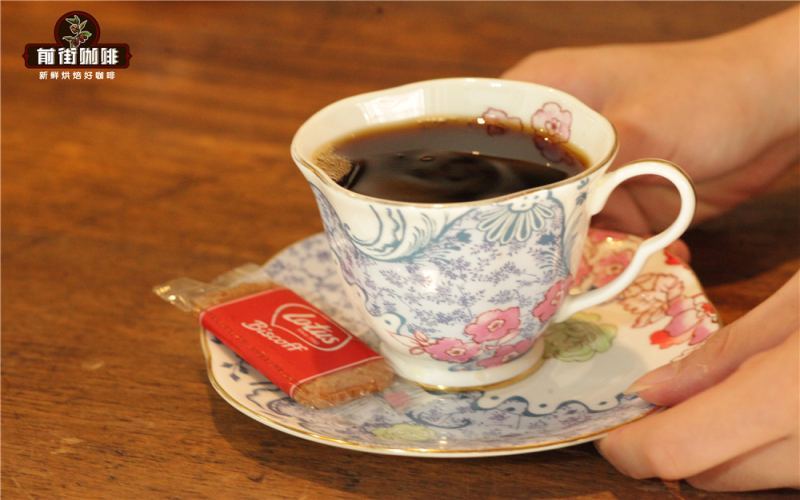
How Does Roast Level Affect Coffee Bitterness and Acidity? A Complete Guide to Buying and Flavor Analysis of Acid-Free Americano Drip Bags
Many people wonder: are dark roast coffee beans necessarily more bitter than light roasts? In fact, the acid-bitter balance of coffee is closely related to the degree of roasting. Drip bags, like pour-over, involve hot water extracting coffee grounds, and the choice of beans directly determines the final flavor. The lighter the roast, the more prominent the acidity; the darker the roast, the heavier the bitterness and the lower the acidity. Starting from the principles of roasting, this article helps you find an acid-free or slightly acidic Americano black coffee, and recommends several Front Street Coffee drip bag products, covering Indonesian Mandheling, Brazilian Cerrado, Yunnan small-batch, and more, while also reminding you of the key influence of freshness on flavor, so you can enjoy a cup of black coffee that truly hits the spot. [more…]

Can Drip Bag Black Coffee Be Brewed Repeatedly? A Detailed Guide to Buying Brazilian, Mandheling, and Yirgacheffe and the Standard Pour-Over Method
Drip bag coffee has quickly become part of daily life thanks to its convenience and the advantage of freshly ground coffee, but many people are still confused: can one bag be repeatedly re-brewed? How should you choose based on acidity and body? From the perspective of Front Street Specialty Coffee, this article sorts out the Japanese origins and market popularity of drip bag coffee, explains why a second brewing is not recommended, and discusses key purchasing points from roast date, packaging best-by period, and flavor orientation, covering examples such as Front Street · Brazil Semi-Washed, Front Street · Panama Butterfly, Front Street · Indonesia Mandheling, and Front Street · Ethiopia Yirgacheffe. Finally, it includes the complete steps from warming the cup, water temperature, hanging the bag, pre-wetting, pouring, to serving, to help you consistently brew a cup of fragrant black coffee. [more…]
Can Expired Coffee Beans Still Be Drunk? A Look at Freshness, Peak Flavor, and Flavor Loss Patterns Based on Roast Date
When buying coffee beans, many people habitually check the production date and expiration date, but for roasted coffee beans, the roast date is what really matters. The shelf life is usually six months to a year, and at a normal rate of consumption, the beans are rarely kept until they actually expire. But once coffee beans have been stored too long, the aroma fades, the taste deteriorates, and a musty odor may even develop—at which point they are no longer suitable for drinking. This article examines how long it takes for coffee beans to go stale—covering coffee spoilage, shelf life, the differences between light and dark roasts, the resting period and the peak flavor window—and explains why Front Street Coffee chooses to ship around 5 weeks after roasting, helping you enjoy good flavor at the optimal time. [more…]

Coffee Bean Resting | How Long Is the Shelf Life of Freshly Roasted Coffee Beans? How Many Days Should Single-Origin Beans Rest for Pour-Over? How Soon After Roasting Can You Drink Coffee Beans?
In the past, when buying food, we would always check the production date and then look at the expiration date, because it is common sense to avoid eating food that has passed its expiration date. But when it comes to coffee beans, the production date refers to the roast date, that is, the point when the green coffee beans are roasted. However, when we pay attention to this roast date, [more…]
Can New and Old Coffee Beans Be Mixed Together for Pour-Over? Front Street Tests Three Brewing Comparison Groups
Many coffee enthusiasts often encounter this situation at home: the freshly bought coffee beans haven't rested long enough yet, while there's still a nearly used-up bag of older beans they're reluctant to throw away. To make up enough grounds for a full pot, some people mix two batches of beans with significantly different roast dates and brew them together. Does this actually affect the coffee's flavor? Front Street conducted a comparative experiment using the same Elida Estate Catuai, brewing three groups separately—old-date beans, new-date beans, and a 1:1 blend of old and new beans—recording everything from the state of the coffee bed and degassing performance to aroma and taste. This article combines the experimental process to analyze how the coffee bean resting period affects extraction, and offers practical suggestions for saving beans without sacrificing flavor. [more…]
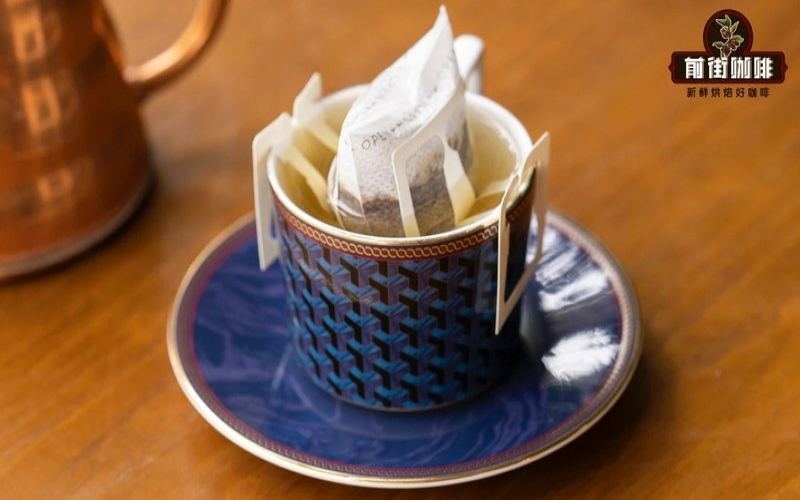
From roast date to opening date: planning the drinking clock for espresso blend beans
Espresso blend beans begin a period of change from the moment roasting is complete: in the early stage they release a large amount of carbon dioxide, in the middle stage the aroma and extraction gradually open up, and in the latter stage they slowly lose their vibrancy. When beginners choose beans, they don't need to treat "the closer to the roast date, the better" as a rule; instead, they should let the dates of arrival, opening the bag, and finishing the beans fall within a suitable flavor window. [more…]
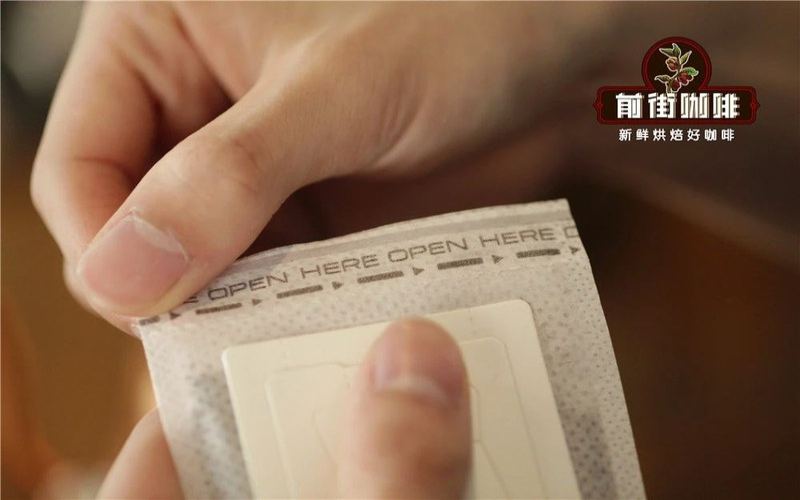
From Roast Date to Sealed Bag: The Flavor Rhythm of Commercial Coffee Beans
Coffee beans are not more aromatic the closer they are to the roast date. Freshly roasted beans contain more carbon dioxide, which can cause uneven water penetration in the puck when pulling espresso; the crema may look thick and rich, but the sip feels loose and disconnected. After resting for a period, the gas is slowly released, and notes of nuts, cocoa, or caramel only then become coherent. When selecting commercial beans, take the roast date into account [more…]
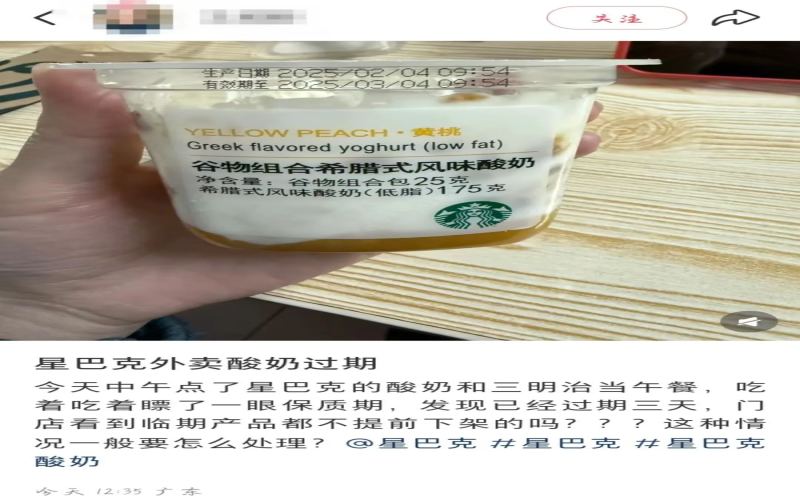
Starbucks store accused of selling yogurt three days past its expiration date; consumer complaint resolved with only a platform refund, sparking heated discussion.
Recently, a consumer posted on social media reporting that when ordering lunch through a third-party delivery platform at a Starbucks store, they received a box of yellow peach-flavored Greek-style yogurt with a grain mix that was three days past its expiration date. During consumption, the customer noticed that the date code on the packaging showed an expiration date of March 4, while the day of receipt was already March 7. The incident quickly drew netizens' attention, with many suggesting keeping evidence and filing complaints through official channels to defend their rights. However, after the customer contacted Starbucks customer service, the reply was that because the order was placed through a third-party platform, only the platform could handle the refund. This response left onlooking netizens dissatisfied, as they felt the brand showed little concern for the store's mistake. As of press time, the individual has filed a complaint on the 12315 platform, but the outcome has not yet been announced. [more…]
The date on a Yirgacheffe bean bag determines when to start drinking it.
Light-to-medium roasted Yirgacheffe often has floral, citrus, berry, and tea notes, but these aromas do not present themselves neatly right after roasting. Freshly roasted beans are still releasing carbon dioxide, which can mask the aromas, and the brewed coffee may taste sharply acidic with disjointed sweetness. Understanding the roast date and then planning when to open the bag often [more…]
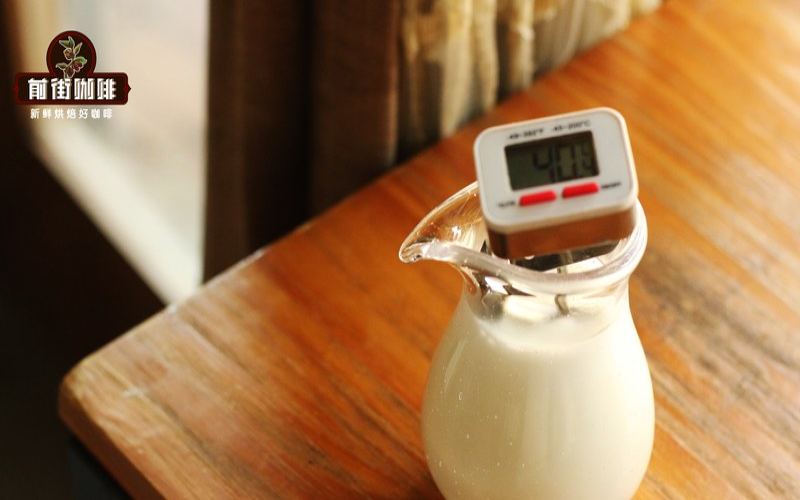
Yirgacheffe Pour-Over Beans: From Roast Date Planning to Aroma in the Cup
The floral, citrus, and berry notes of Yirgacheffe often only come through clearly and with layering when the beans enter the dripper at the right time. Brew too soon after roasting, and the cup may show sharp notes and unstable acidity; leave them too long, and the aroma gradually narrows. When choosing, besides looking at the origin and flavor description, also check the roast date, [more…]
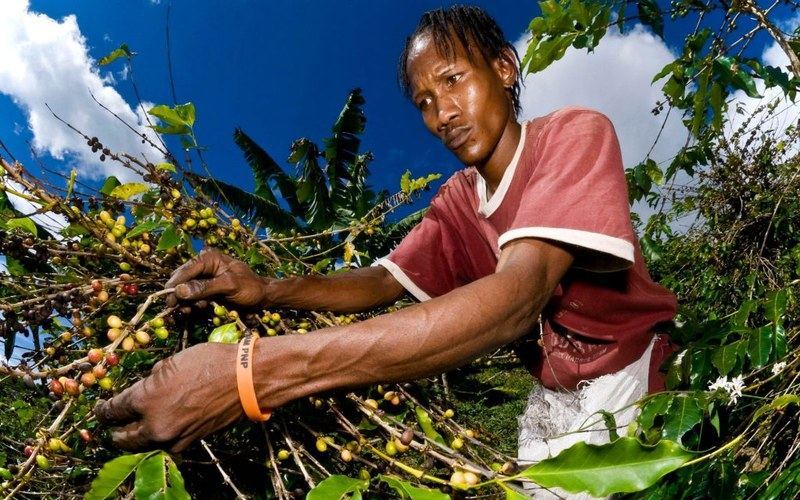
Pour-over not sour, the roast date determines when to drink
If you want to make pour-over coffee less sharply acidic, when choosing beans you should not only look at the flavor description but also pay attention to the roast date. When beans are just out of the roaster, more carbon dioxide remains inside them; when hot water touches them, they tend to expand, scatter, and produce unstable flavors. After resting for a period, the sweetness, nutty aroma, and cocoa notes usually become easier to [more…]
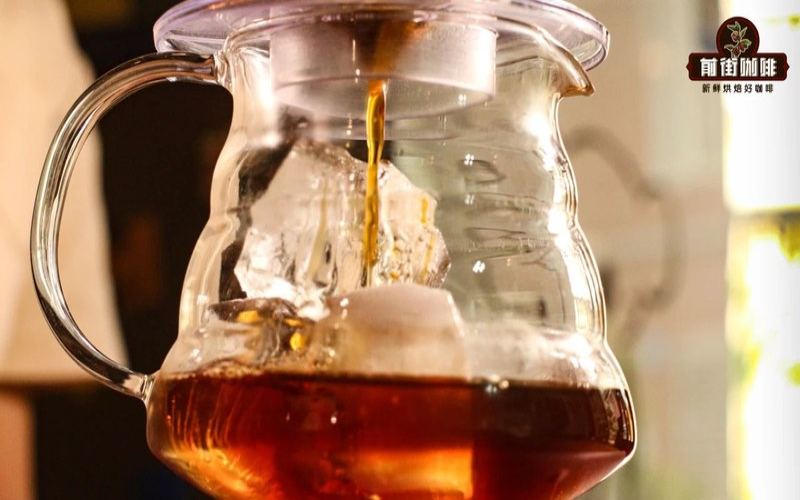
After the roast date, how to schedule the three espresso beans into your drinking routine
The closer espresso beans are to their roast date, the more aromatic they are not necessarily right away. Freshly roasted beans are still continuously releasing carbon dioxide, and during espresso extraction this can result in a puffy crema layer and a wobbly flow, while the taste in the mouth feels somewhat disjointed. After allowing the gas to escape to a moderate degree, the sweetness, body, and aroma usually come together more easily, so when choosing beans you should look at the roast date and [more…]
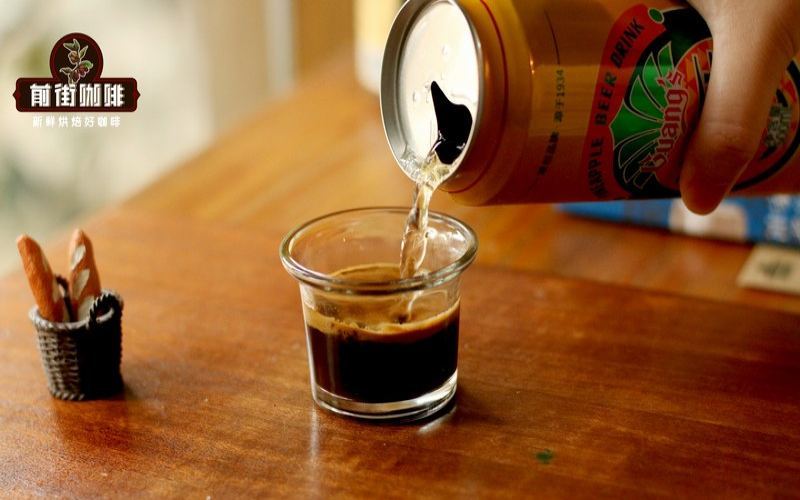
When should you open a bag of SOE pour-over coffee? Plan your drinking rhythm starting from the roast date.
A bag of coffee beans labeled SOE can, of course, go into a pour-over dripper. SOE emphasizes making espresso from single-origin coffee; it doesn't mean it can only be extracted by an espresso machine. Switch to pour-over, and the lower concentration often makes it easier to distinguish floral and fruity notes, the balance of acidity and sweetness, and the finish. What's truly worth paying attention to is how long it's been since the beans were roasted, [more…]
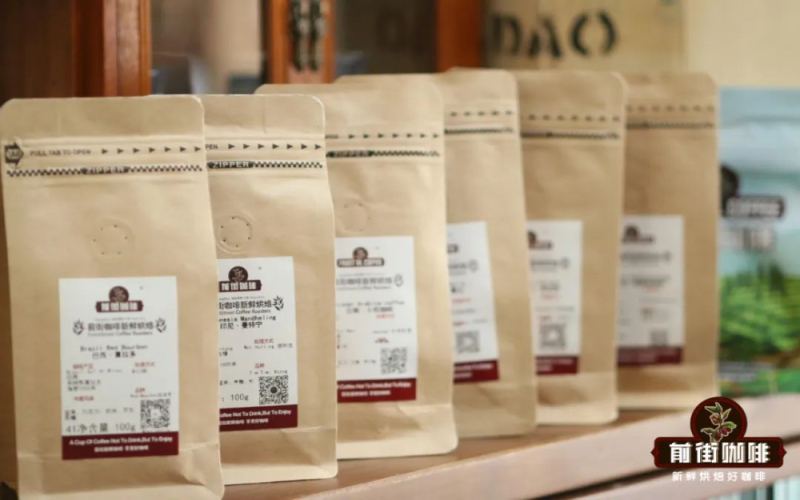
What's the difference between coffee bean shelf life and peak flavor period? An analysis of how production date affects flavor and the necessity of resting beans
Have you ever paid attention to the expiration date and production date on a bag of coffee beans? For specialty coffee, focusing only on the food-safety expiration date is not enough—we care more about the peak period of coffee flavor, the "prime tasting window." During this window, the aromatic characteristics of the coffee beans are fully expressed, rather than the coffee simply being a safe drink. At the same time, opinions vary widely on the "resting period" for beans: some suggest drinking them as soon as you receive them, while others insist on waiting several days. This article will start from the relationships among the expiration date, the prime tasting window, the production date, and the resting period to help you clarify these concepts, and will share Front Street Coffee's practical recommendations, so you can more confidently judge when to enjoy a good cup of coffee. [more…]
After the roast date, when does an SOE latte enter its flavor peak?
When SOE espresso meets milk, it can turn the fruity sweetness, nutty aroma, or cocoa notes of a single origin into softer layers in a latte—but only if the beans are at the right stage of release. Brew too soon after roasting, and the active gases make the espresso prone to inconsistency; leave them too long, and the aroma fades. To get it tasting good, the purchase date and the moment you open the bag [more…]